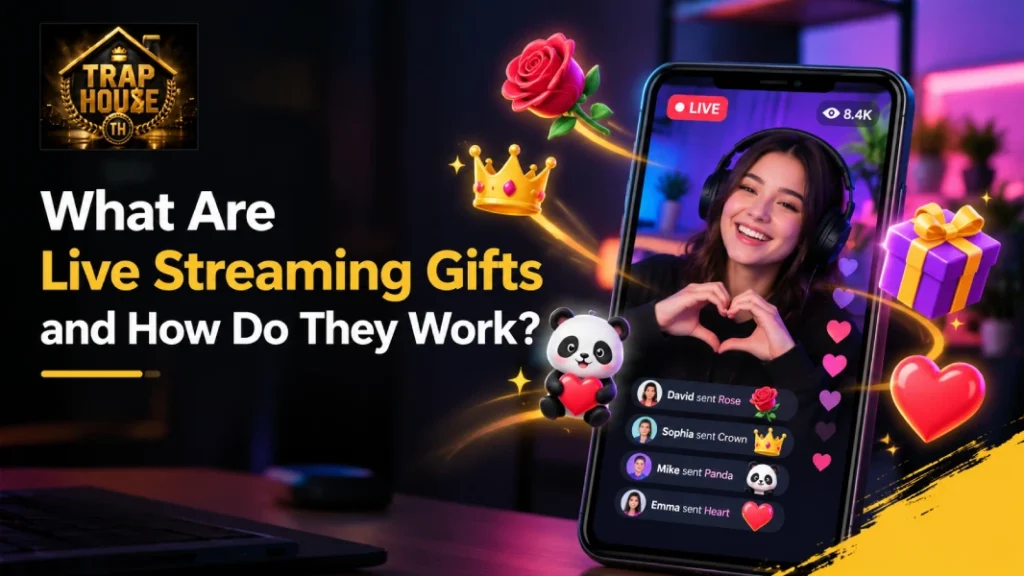
A social live streaming platform is an online service that lets people broadcast real-time video and audio to an audience while talking with that audience instantly. Viewers join through live chat, comments, reactions, and virtual gifts, so they take part in the show instead of just watching it.
That is the key difference from pre-recorded video or traditional television. A TV broadcast flows one way: the studio sends, and the viewer receives. A social live stream blends real-time media with social networking, so the audience shapes what happens on screen. A host can answer a question the moment it appears in chat, thank a viewer for a gift, or change the topic because the crowd asked for it.
The format has grown quickly because it feels personal. Watching a creator react in the moment builds a kind of trust that edited videos rarely match. Creators gain a direct line to their fans. Brands gain a live stage for demos, launches, and product sales. Viewers gain a sense of belonging to a community built around a shared moment.
At Traphouze, we help creators turn that shared moment into a real audience and a real income. In this guide, we explain how social live streaming platforms work, the features that define them, how creators earn money, and what to look for when you choose one.
Key Features of a Social Live Streaming Platform
Every platform is a little different, but the strongest ones share a core set of features. These features separate a true social live streaming platform from a basic video player.
- Real-time broadcasting: Video and audio travel across the internet with only a few seconds of delay, so the stream feels live and conversations stay natural.
- Interactive chat and reactions: Viewers type messages, ask questions, and send emojis or hearts while the stream is happening. The host sees the response immediately.
- Community building: Hosts build dedicated followings, moderate chat, and form direct relationships with their audience. Regular viewers become fans, and fans become a community.
- Monetization tools: Creators earn through virtual tips, paid subscriptions, super chats, and live commerce, which means selling products directly during a stream.
- Discovery and notifications: Good platforms help new viewers find streams and alert followers the moment a favorite host goes live.
- Moderation and safety controls: Chat filters, blocklists, and moderator roles keep the space friendly and protect both hosts and viewers.
Together, these features create a loop. Interaction keeps viewers watching, longer watch time builds loyalty, and loyal viewers support the creator financially. That loop is what makes social live streaming different from simply uploading videos.
How Social Live Streaming Works
Behind the simple experience of pressing a “Go Live” button, several steps happen in a few seconds.
- Capture: The host’s camera and microphone record video and audio, usually from a phone or a computer.
- Encoding: The device compresses the footage into a format that can travel quickly over the internet.
- Delivery: The platform sends the stream through a network of servers, so viewers in different places can watch with little delay and minimal buffering.
- Interaction: While viewers watch, a chat layer runs next to the video. Messages, reactions, and gifts reach the host almost instantly.
- Replay and reach: Many platforms save the broadcast afterward, so people who missed it can watch later and the content keeps working for the creator.
The good news for new creators is that you no longer need expensive equipment. A modern smartphone and a stable connection are enough to begin. If you want a simple walkthrough, this guide shows you how to start live streaming on your phone, from setting up your first stream to staying consistent.
Stream quality still matters, though. A steady internet connection, good lighting, and clear audio make viewers stay longer. Audio matters most: people forgive a soft picture far more easily than a crackling microphone.
Benefits for Creators, Viewers, and Brands
Social live streaming works because it gives each group something useful.
For creators, it is a fast way to grow. You get instant feedback, you learn what your audience likes, and you can test ideas in front of real people. Live streams also build a bond that short clips alone cannot create.
For viewers, it offers entertainment with a human face. They can chat with the host, meet other fans, and feel part of something happening right now.
For brands and sellers, live commerce turns a stream into a digital shop window. A host can show a product, answer questions on the spot, and let viewers buy before the stream ends.
How creators make money
Money is the reason many people take streaming seriously, and platforms offer several routes:
- Virtual gifts and tips: Viewers buy digital gifts and send them to hosts they enjoy. The platform converts those gifts into earnings.
- Subscriptions: Fans pay a recurring fee for perks such as badges, emotes, or private streams.
- Super chats: Viewers pay to highlight their message so the host notices it.
- Live commerce: Hosts sell products or services directly during the broadcast.
- Sponsorships: As audiences grow, brands pay creators to feature their products.
If you want a closer look at these options, our page on how to earn money from live streaming covers the main income streams. For practical tips on growing that income step by step, read our blog post on how to earn money from live streaming as a beginner.
How to Choose the Right Platform
Not every platform suits every creator. Before you commit, compare a few points that decide how smooth your journey will be.
- Audience fit: Choose a place where your type of viewers already spend time.
- Earning options: Check which monetization tools are available and how payouts work.
- Ease of use: Going live should take a few taps, not a long setup.
- Interaction tools: Look for rich chat, reactions, gifts, and co-hosting options.
- Safety and moderation: Strong controls protect your community and your peace of mind.
- Creator support: Guides, tips, and a responsive team save you time as you grow.
If you want an app built around these needs, explore a live streaming app for creators that puts going live, engaging fans, and earning in one place. Traphouze is designed for people who want to build a real community, not only collect views.
The future of social live streaming
The format keeps evolving. Expect more live shopping, more interactive games between hosts and viewers, and better tools that help creators plan, promote, and review each broadcast. Creators who start now, learn their audience, and stay consistent will be best placed to benefit as these platforms mature.
Frequently Asked Questions
1. What is a social live streaming platform?
It is an online service where users broadcast live video and audio and interact with viewers in real time through chat, comments, reactions, and virtual gifts. It combines live media with social networking.
2. How is social live streaming different from regular video platforms?
Regular video platforms mostly host pre-recorded content that people watch alone. Social live streaming happens in the moment, and the audience can speak, react, and even shape the broadcast while it runs.
3. Can anyone become a live streamer?
Yes. A smartphone, a stable internet connection, and a clear idea of what you want to share are enough to begin. Better lighting, audio, and a regular schedule help you improve over time.
4. How do creators earn money on these platforms?
Creators earn through virtual tips and gifts, paid subscriptions, super chats, live commerce, and brand sponsorships. The mix depends on the platform and on how engaged the audience is.
5. Is social live streaming safe?
Reputable platforms offer moderation tools, chat filters, blocking options, and reporting systems. Hosts should also set clear community rules, appoint trusted moderators, and avoid sharing private information on camera.